
FGV 2024.1Questão 40de 60In the last paragraph, when the author writes that he is “allergic,” he is most likely referring to his
InglêsVocabulário no contexto
Texto das questões 38 a 40
Texto para as perguntas de 38 a 40
IS POVERTY A CHOICE?
By
Jean-Marie Valheur
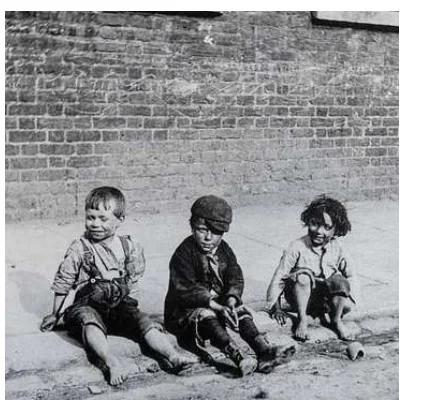
1 A sad little historical fact? The oldest man ever to be executed by hanging [por enforcamento] in the United Kingdom was a man named Samuel Crowther. He was 71 years old.
2 Crowther was an elderly shoemaker who couldn’t make ends meet [fazer face às despesas]. He went into the garden of a man named John Willis, to take some fruit from one of his trees. Willis spotted the elderly thief and confronted him.
3 In the ensuing struggle, the elderly fruit thief pulled out a knife, fatally [com a morte como resultado] stabbing Willis. Crowther was caught the very same morning and sentenced to hang [condenado à forca]. His only daughter testified against him. It was the year 1888 and Crowther was lame [manco], frail [fraco] and had to walk to the gallows [a forca] assisted by a cane. He didn’t have a choice… he worked until he couldn’t anymore. Then he stole food, and he was willing to die for some apples.
4 I cannot imagine the point where one is willing to die for some fruit as being much of a “choice.” Rather, I would say it’s a choice forced upon people by desperation. I’m allergic to the reasoning that people choose to be poor… almost no one does. Cruel fate decides for most of us and many people never make it out of the dark hole they’re in, no matter how hard they try and no matter how hard they work.
Adapted from Quora, March 3, 2024.
In the last paragraph, when the author writes that he is “allergic,” he is most likely referring to his
- Alternativa A: instinctive opposition to the death penalty, no matter what the crime.
- Alternativa B: instinctive belief that if Samuel Crowther had been rich, he would not have been hanged.
- Alternativa C, a correta: natural, unchanging contempt for the idea that most poor people want to live in poverty.Resposta
- Alternativa D: complete refusal to see poverty as the inevitable result of laziness and immorality.
- Alternativa E: automatic rejection of cruel, superficial explanations for the existence of intractable problems.
A questão pergunta a que o autor provavelmente se refere ao escrever que é "allergic", no último parágrafo.
Lendo a frase inteira:
"I'm allergic to the reasoning that people choose to be poor… almost no one does."
Interpretando a metáfora:
Alergia é uma reação involuntária, imediata e constante, o corpo rejeita aquilo toda vez, sem deliberar. Ao se dizer alérgico a um raciocínio, o autor diz que o rejeita de forma automática e invariável. E o texto nomeia com precisão QUAL raciocínio: o de que as pessoas escolhem ser pobres.
Isso corresponde a um desprezo natural e imutável pela ideia de que a maioria dos pobres quer viver na pobreza.
Analisando as demais alternativas:
A alternativa sobre oposição à pena de morte trata de um tema que o texto menciona como fato histórico, sem tomar posição.
A alternativa sobre Crowther não ser enforcado se fosse rico é uma inferência possível sobre o caso, mas não é a que a palavra "allergic" introduz.
A alternativa sobre recusar ver a pobreza como resultado de preguiça e imoralidade fica perto, mas troca os termos: o texto fala em ESCOLHA, não em preguiça nem em moral.
A alternativa sobre rejeitar explicações cruéis e superficiais para problemas difíceis é ampla demais: descreve uma disposição geral, quando a frase se dirige a um raciocínio específico e nomeado.
Conferindo a alternativa:
O desprezo automático pela ideia de que a maioria dos pobres quer ser pobre corresponde à alternativa C.
Confere com o gabarito oficial da FGV. Ver o caderno da banca